- Australia / AUD $
- Canada / CAD $
- China / CNY ¥
- France / EUR €
- Germany / EUR €
- Hong Kong SAR China / HKD $
- Ireland / EUR €
- Italy / EUR €
- Japan / YEN ¥
- Kuwait / USD $
- Macao SAR China / HKD $
- Netherlands / EUR €
- Qatar / USD $
- Saudi Arabia / USD $
- Singapore / SGD $
- South Korea / KRW ₩
- Spain / EUR €
- Taiwan / TWD $
- United Arab Emirates / USD $
- United Kingdom / GBP £
- United States / USD $
- Not yours? Read more
Tell us what you think
Shop in your local currency and language
You are currently in United Kingdom GB / GBP £ store
- English
- English
- English
- English
- English
- English
- English
- English
- English
- English
- English
- English
- English
- English
- English
- English
- English
- English
- English
- English
- English
Did you know that we deliver to 130 countries or regions and offer a range of delivery options to suit you wherever you are in the world? Find out more
Sign up once to our Selfridges+ service and you can enjoy unlimited deliveries wherever you are in the world. FIND OUT MORE
International delivery
With almost everything on selfridges.com available for International Delivery, you can send your order to 130 countries or regions around the world, including North America, Australia, the Middle East and China.
Although we only offer 20 currencies to browse in online, you can still deliver to all of the following countries or regions:
- Algeria
- Andorra
- Antigua and Barbuda
- Aruba
- Australia
- Austria
- Azerbaijan
- Bahrain
- Bangladesh
- Barbados
- Belarus
- Belgium
- Belize
- Bermuda
- Bolivia
- Botswana
- Brunei
- Bulgaria
- Cambodia
- Canada
- Cayman Islands
- Chile
- China
- Colombia
- Costa Rica
- Croatia
- Cyprus
- Czech Republic
- Denmark
- Dominica
- Dominican Republic
- Ecuador
- Egypt
- El Salvador
- Estonia
- Finland
- France
- French Guiana
- Germany
- Gibraltar
- Greece
- Grenada
- Guadeloupe
- Guatemala
- Guernsey
- Guyana
- Honduras
- Hong Kong
- Hungary
- Iceland
- India
- Indonesia
- Ireland
- Israel
- Italy
- Jamaica
- Japan
- Jersey
- Jordan
- Kazakhstan
- Kenya
- Kuwait
- Laos
- Latvia
- Lebanon
- Lesotho
- Liechtenstein
- Lithuania
- Luxembourg
- Macau
- Malaysia
- Maldives
- Malta
- Martinique
- Mayotte
- Mexico
- Monaco
- Montserrat
- Morocco
- Myanmar
- Namibia
- Netherlands
- New Zealand
- Nicaragua
- Nigeria
- Norway
- Oman
- Pakistan
- Panama
- Paraguay
- Peru
- Philippines
- Poland
- Portugal
- Puerto Rico
- Qatar
- Reunion
- Romania
- Rwanda
- Saint Kitts and Nevis
- Saint Lucia
- Saint Martin (French part)
- San Marino
- Saudi Arabia
- Serbia
- Singapore
- Slovakia
- Slovenia
- South Africa
- South Korea
- Spain
- Sri Lanka
- Suriname
- Swaziland
- Sweden
- Switzerland
- Taiwan
- Tanzania
- Thailand
- Trinidad and Tobago
- Turkey
- Uganda
- Ukraine
- United Arab Emirates
- United Kingdom
- United States
- Uruguay
- Venezuela
- Vietnam

Selfridges says
Explore outdoor furniture


-
All mens bags
- Backpacks Messenger bags Tote bags Briefcases Belt bags Wallets Cardholders Travel bags Wash bags
-
All kids bags
- Baby changing bags Boys' bags Girls' bags


Selfridges says
The Project Earth edit
-
Cards & wrap
- Gift wrap Greeting cards
-
By recipient
- Gifts for her Gifts for him Gifts for them Gifts for kids Gifts for pets
-
By price
- Under £75 Under £150 Under £250
-
By occasion
- Birthday New baby New mum Wedding Anniversary Engagement New home
-
Trending brands
- BIRKENSTOCK CANADA GOOSE CARTIER CHANEL LEGO MARC JACOBS PRADA REPRESENT SELETTI SKIMS
Selfridges says
Our exclusives

-
Shop by category
- Beauty Bags Women’s Men’s Shoes Jewellery & watches Foodhall Kids’ & toys Home & tech Gifts
In 1909, Harry Gordon Selfridge revolutionised retail. From the day Selfridges opened, theatre and experience have been at the heart of our business. Today, we stay true to that spirit by weaving creative experimentation, activism and cultural moments through our extraordinary customer experience.

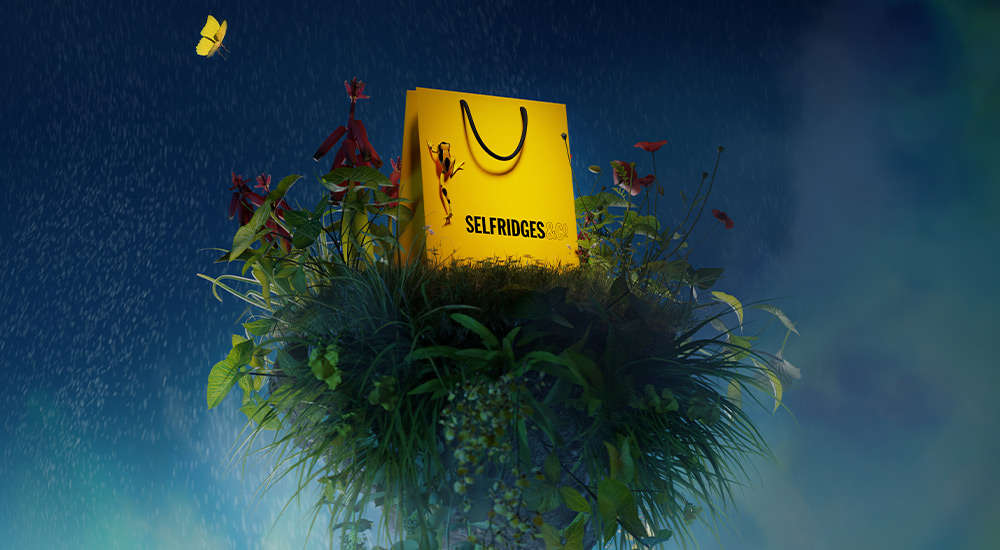
September 2022
Sustainability reporting
Selfridges unveils the first annual Project Earth Report, setting out new targets to reinvent retail and meet our commitment to a net zero future, including an ambition for 45% of all transactions to come from circular products or services by 2030.
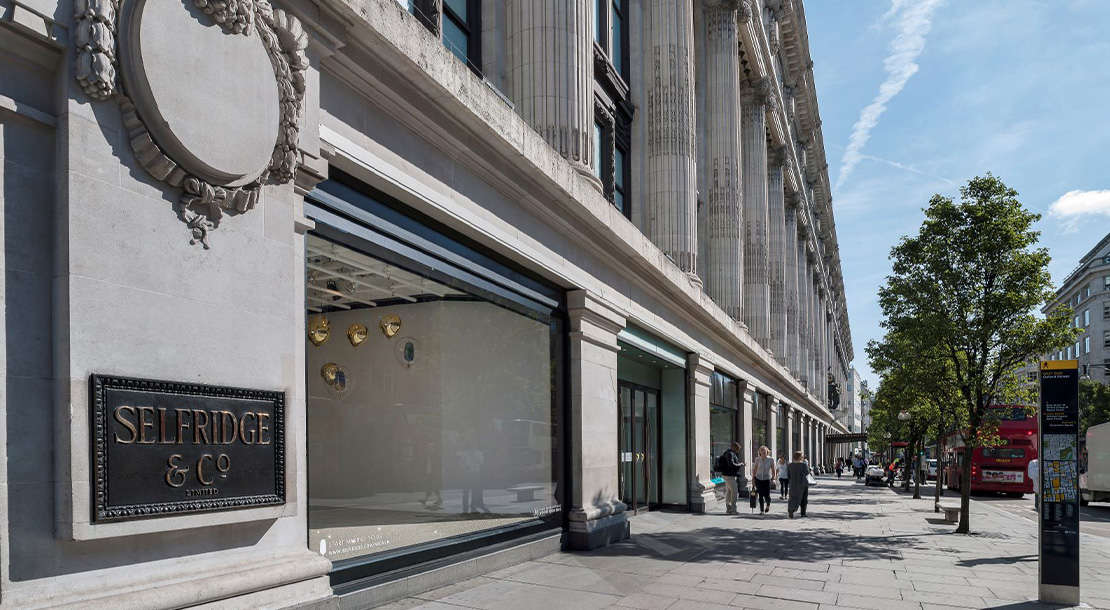
August 2022
Central Group & Signa Holding
Central Group and Signa Holding complete the acquisition of Selfridges Group.
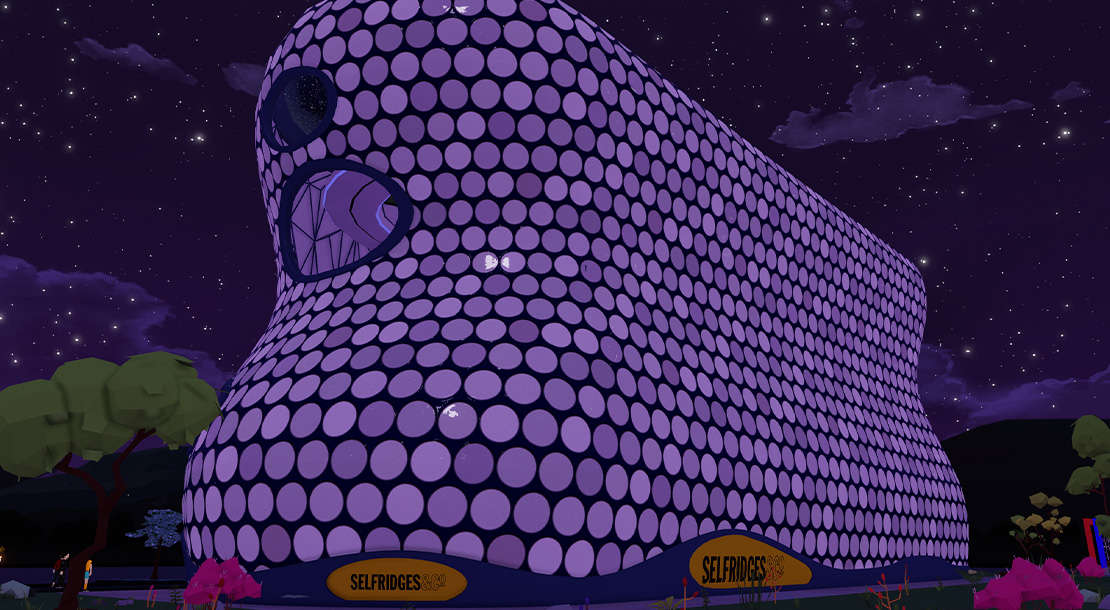
March 2022
Into the metaverse
Selfridges opens a department store in the virtual world of Decentraland, as part of Metaverse Fashion Week.
September 2021
Selfridges signs the Climate Pledge
Selfridges accelerates the net zero goal, bringing the deadline forward by 10 years to 2040 as a promise to the Climate Pledge.
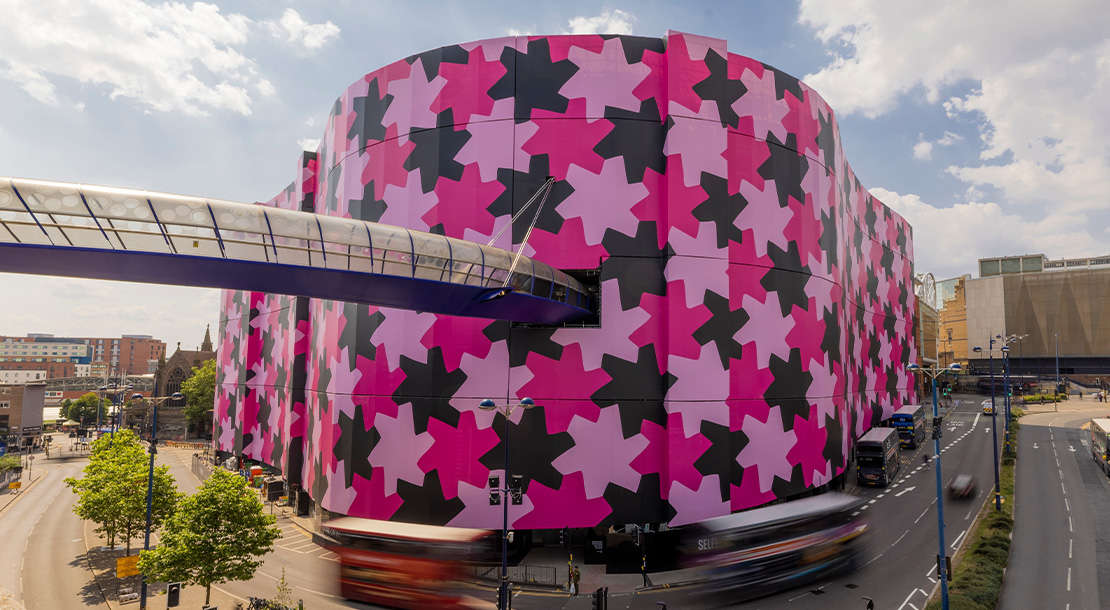
July 2021
Selfridges Birmingham gets a makeover
Artist Osman Yousefzada wraps Selfridges Birmingham in a giant black-and-pink canvas, creating a monumental public art commission for the city.

August 2020
Project Earth launches
Selfridges launches its evergreen sustainability strategy Project Earth, announcing ambitious goals to change the way we shop by addressing the materials used in products, exploring new circular retail models and inspiring a shift in mindsets.

November 2019
The big yellow screen
Selfridges London opens the world’s first permanent cinema in a department store: The Cinema at Selfridges.
November 2016
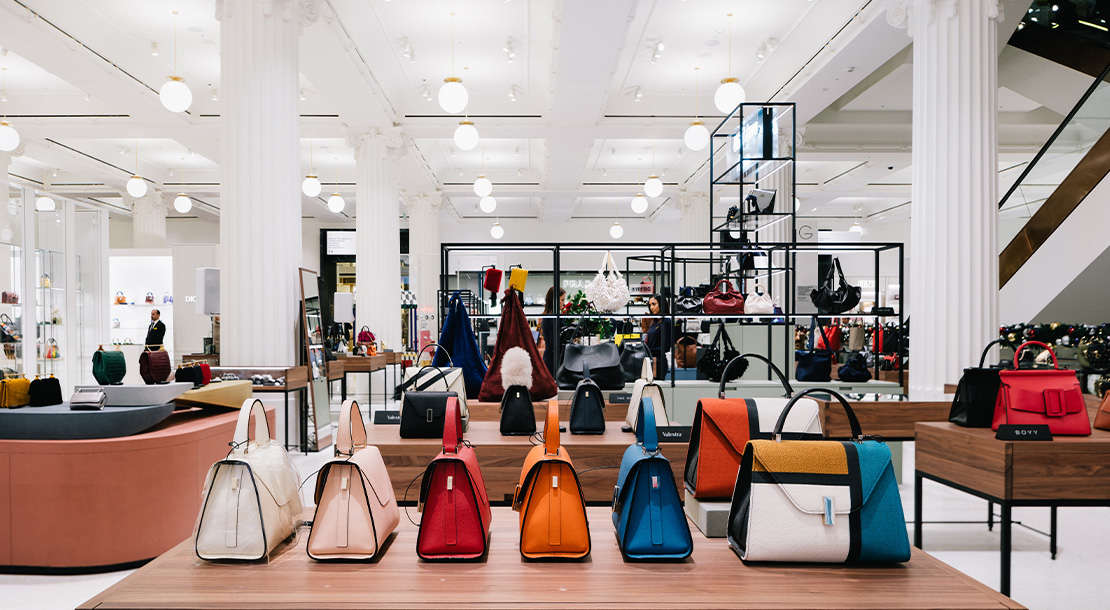
The new Accessories Hall
Selfridges opens the £300 million Accessories Hall at Selfridges London, designed by architect David Chipperfield.
April 2016
everyBODY is represented
Selfridges launches the everyBODY campaign and opens The Body Studio at Selfridges London. Working with renowned choreographer Wayne McGregor to capture collective bodies in motion, the campaign celebrated every woman, calling for more inclusivity and better representation for women’s bodies.
January 2013
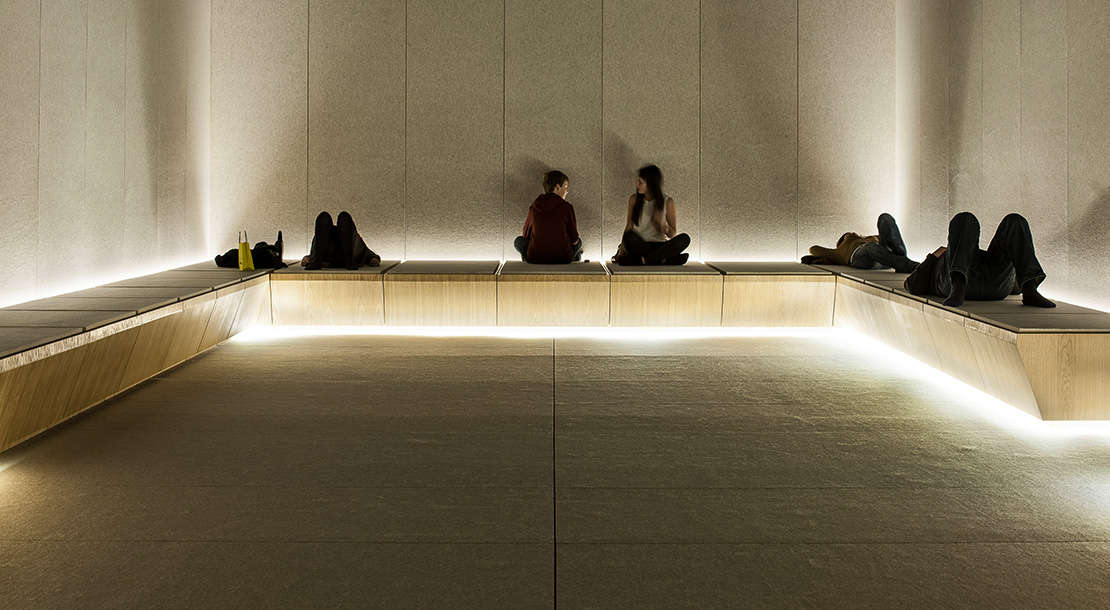
Selfridges makes No Noise
Selfridges launches the No Noise campaign, celebrating the power of quiet in a highly stimulating world. During the campaign, Selfridges also launched the de-branded yellow bag and the Silence Room installation to promote peace and mindfulness.
May 2011
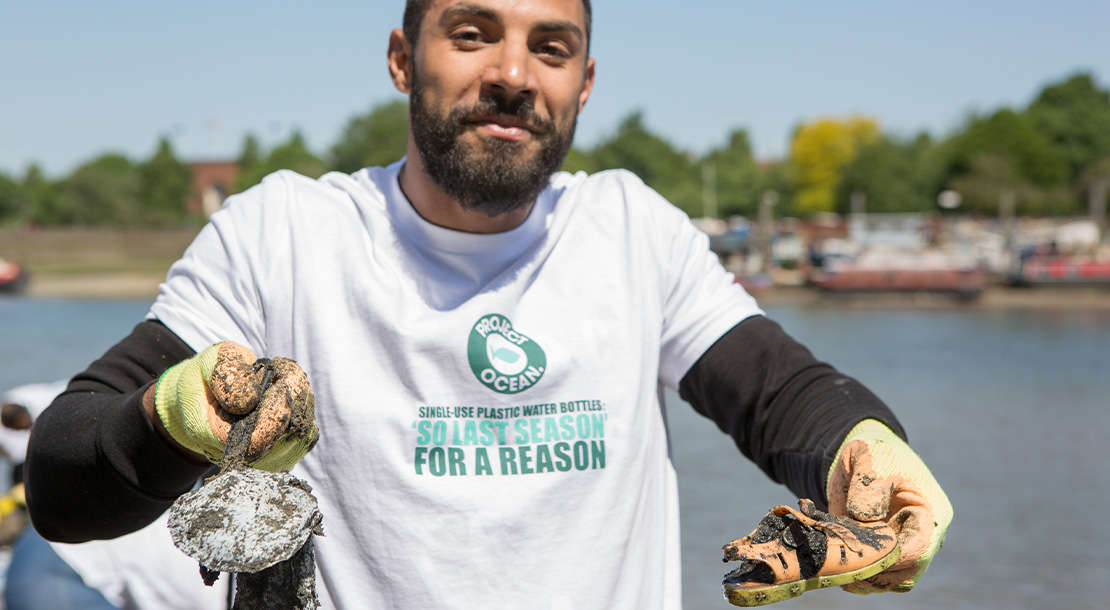
Project Ocean
Selfridges launches the Project Ocean initiative with The Zoological Society of London to take ocean conservation issues to new audiences, and help to protect and restore the ocean.
March 2010
Selfridges is online
The Selfridges experience is brought to customers’ homes and mobile devices as selfridges.com launches.
March 2009
100 years of revolutionising retail
Selfridges marks a century in business with a store-wide celebration. Customers enjoyed cabaret on the escalators, fashion shows, an interactive exhibition and live music performances in the Atrium.
November 2007
A world of wonder
Stevie Wonder performs at the opening of Selfridges’ new jewellery destination: the Wonder Room.
September 2003
Selfridges comes to the Bullring
Selfridges Birmingham opens its doors in the otherworldly Bullring building.
July 2003
The Weston family
Selfridges is acquired by the Weston family.
September 2002
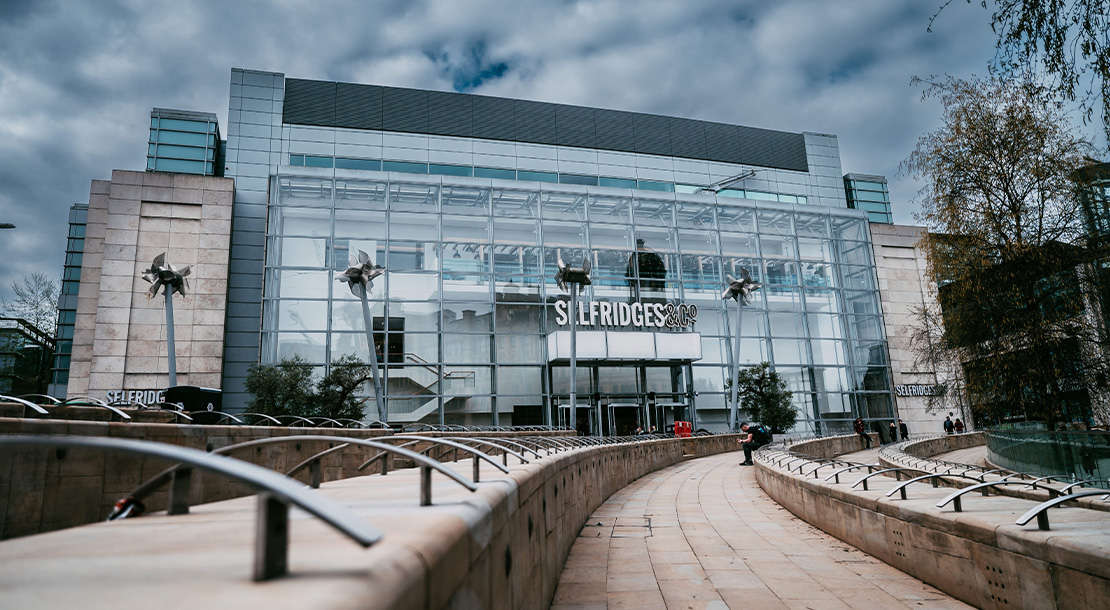
Selfridges lands in Manchester Exchange Square
Selfridges Manchester Exchange Square opens its doors.
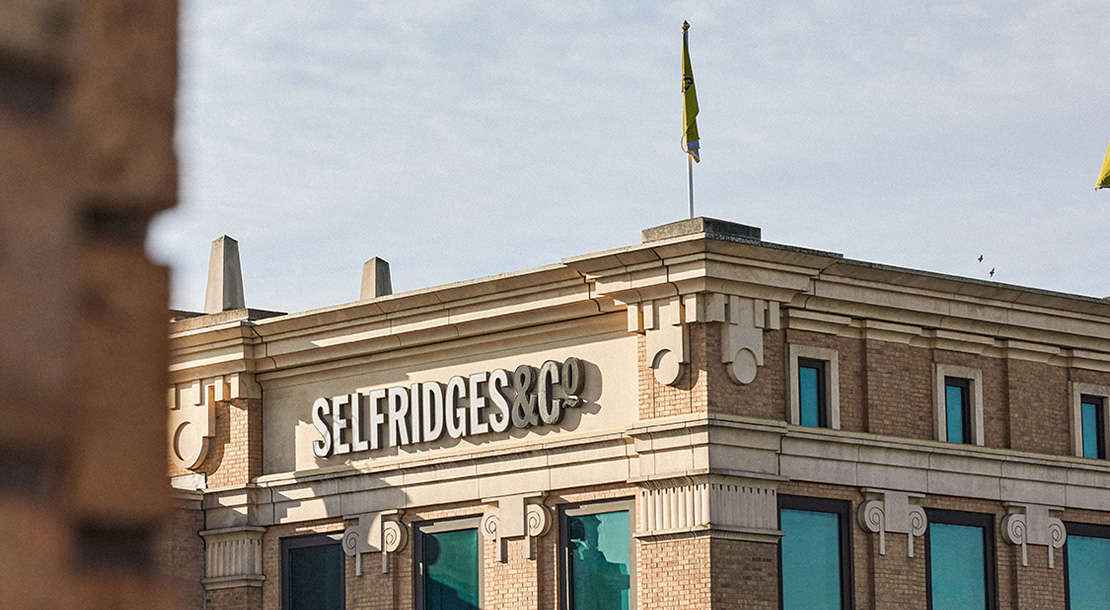
1993
The iconic yellow bag
The yellow carrier bag, now a Selfridges icon, makes its debut.
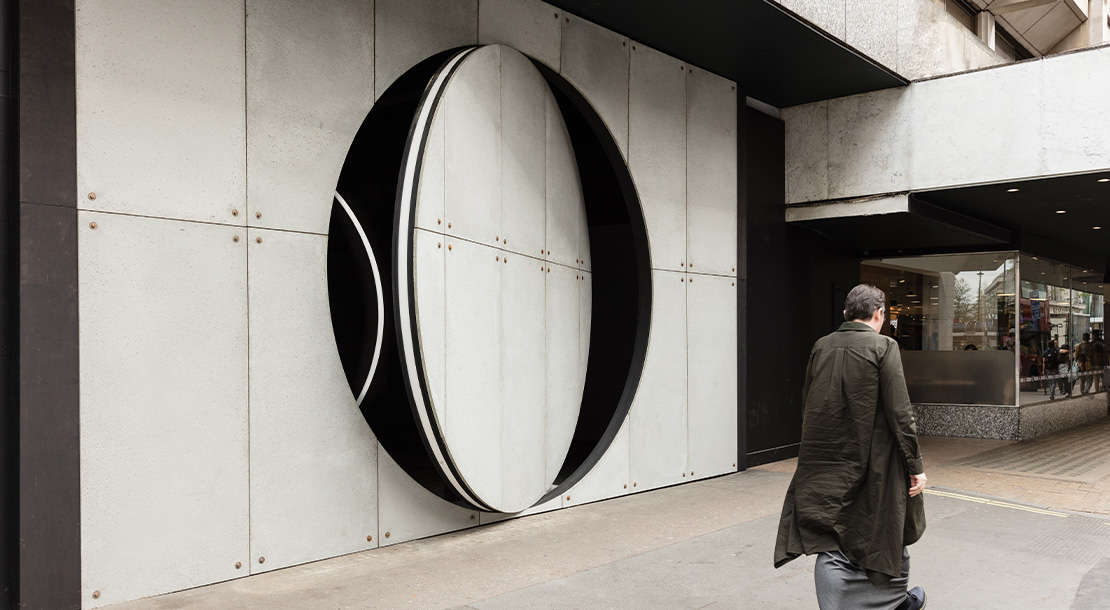
1972
The Selfridges Hotel
Selfridges opens a hotel at the back of the flagship store. It’s now known as The Old Selfridges Hotel, providing a dynamic creative space for extraordinary events and experiences.
March 1930
Selfridges turns 21
To celebrate Selfridges’ 21st birthday, the Queen of Time clock was installed above the Oxford Street entrance.
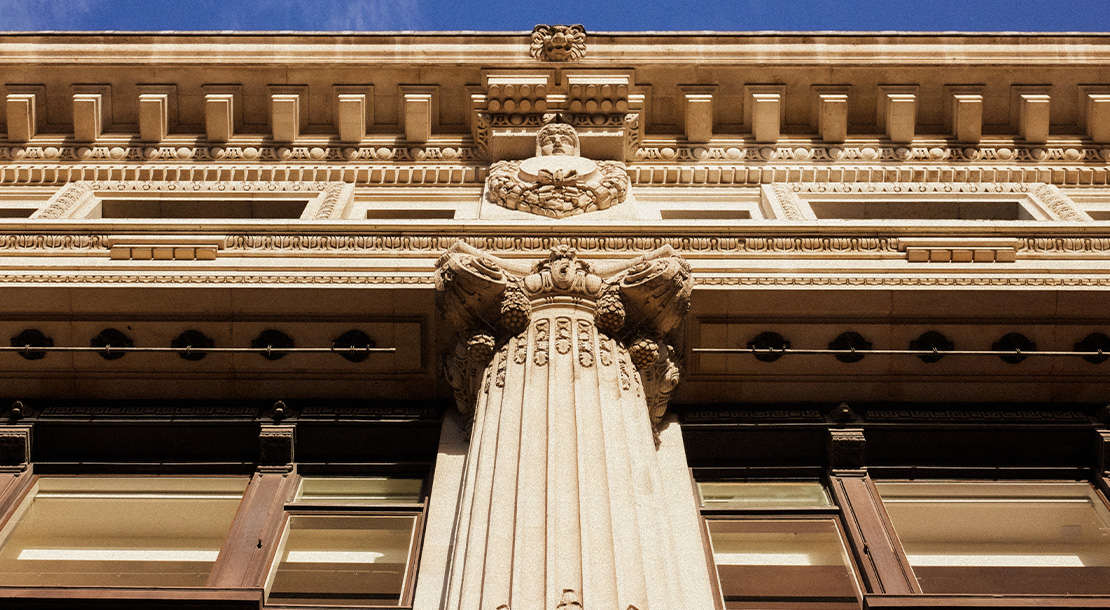
1926
Architectural achievement
Architectural Design & Construction magazine names Selfridges London the most imperial building in London.
1920
The Lift Girls
The Lift Girls are introduced, singing out the Selfridges floors in perfect harmony.
March 1910
Selfridges supports the suffragettes
Selfridges stands in solidarity with the suffragettes, pledging support to their movement by refusing to press charges following store window breakages on Oxford Street. Selfridges later created in-store restaurants where women could dine unchaperoned.
March 1909
The beginning
Harry Gordon Selfridge lifts the curtains to reveal Selfridges’ very first windows, signalling the opening of the store. He handed out keys to the very first customers to make them feel at home, famously saying “everyone is welcome” – an ethos we’ve shared ever since.
Join Selfridges Unlocked

Your Key to extraordinary. Become a Keyholder and unlock exclusive invites, first looks, free delivery, monthly prizes and regular donations.